
University life in China offers a unique window into the country’s rich cultural heritage. From traditional festivals to modern academic practices, students experience a blend of ancient traditions and contemporary innovations. This article delves into how campus life serves as a gateway to understanding Chinese culture.
Campus Festivals and Celebrations
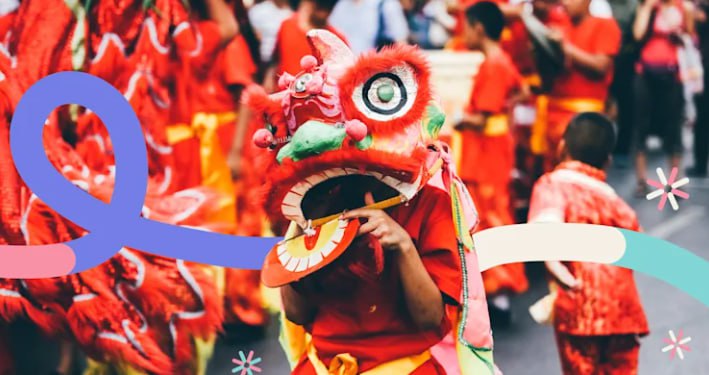
University campuses across China come alive with vibrant celebrations during major traditional festivals, offering students a taste of home and cultural immersion. The Spring Festival, or Chinese New Year, is marked by festive decorations, lion dances, and gatherings where students share dumplings and niangao (sticky rice cake), symbolizing prosperity and growth. Many universities host gala evenings with performances, calligraphy workshops, and the giving of red envelopes, fostering a sense of community among both domestic and international students.
Academic Traditions and Etiquette
During the Mid-Autumn Festival, campuses glow with lantern displays and moon-viewing parties. Students often gather in open spaces to appreciate the full moon while enjoying mooncakes—rich pastries filled with sweet or savory ingredients—and sharing stories or poetry. Universities may organize cultural fairs featuring traditional games, tea ceremonies, and handicraft activities like making lanterns, encouraging cross-cultural exchange and preserving heritage.
Student Clubs and Cultural Societies
Other notable celebrations include the Dragon Boat Festival, where students join in making and eating zongzi (sticky rice dumplings wrapped in bamboo leaves) and participate in friendly dragon boat races or team-building events. The Lantern Festival closes the Spring Festival period with riddle-solving contests, lantern-making workshops, and sharing bowls of tangyuan (sweet glutinous rice balls).
Cuisine and Dining Hall Experiences
Student participation is central to these events, with clubs and associations often taking the lead in organizing activities, decorating campuses, and promoting cultural understanding. These festivals not only provide a break from academic routines but also strengthen bonds, celebrate diversity, and keep ancient traditions thriving in modern educational settings.
Language and Communication Practices
Academic life in Chinese universities is deeply rooted in a cultural framework that prioritizes respect, discipline, and harmony. This is reflected in various aspects of campus life, from classroom interactions to the broader teacher-student dynamic.
Engaging with Chinese culture through university life provides invaluable insights and personal growth. It fosters cross-cultural understanding and enriches the educational journey, leaving a lasting impact on students’ lives.